
Kenya’s Credit Dilemma: Will Lower Interest Rates Unlock Affordable Loans for All?
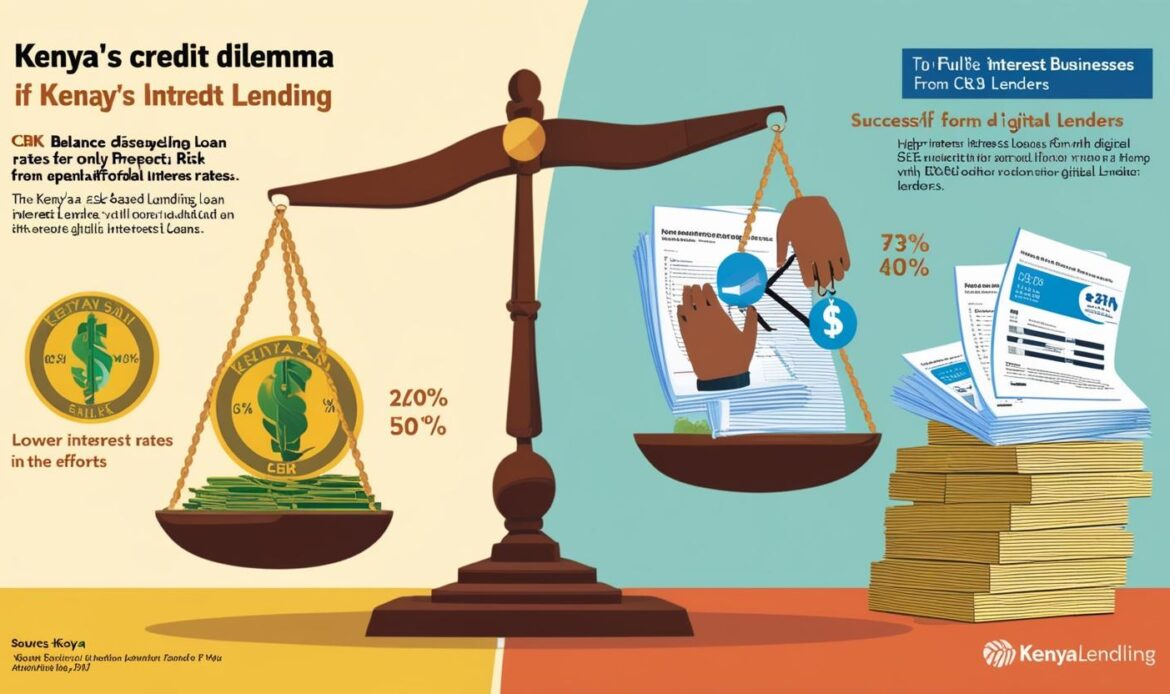
Kenya’s financial landscape is shifting as the Central Bank of Kenya (CBK) moves to cut interest rates in an effort to boost lending. The goal? To unlock credit for businesses and individuals, stimulating economic growth. But here’s the real question: will banks ease access to credit, or will most Kenyans still be trapped borrowing from digital lenders at sky-high rates?
The Reality: Many Kenyans Are in Default
Lower interest rates should, in theory, make borrowing cheaper. However, Kenya’s credit market has a deeper issue—thousands of borrowers are listed on credit reference bureaus (CRBs) due to unpaid loans. Many of these individuals were pushed into default by tough economic times, job losses, and the high cost of living.
Despite CBK’s efforts, commercial banks remain hesitant to lend to individuals with poor credit histories, fearing loan defaults. Instead, these borrowers are left with one option—turning to digital lenders, often called “digital shylocks,” who charge exorbitant interest rates that can quickly spiral out of control.
The Missing Piece: Risk-Based Lending
To solve this problem, banks must implement risk-based lending, a model where interest rates are personalized based on a borrower’s creditworthiness. If you have a good credit history, you get a lower rate; if you have a higher risk of default, you pay slightly more—but not as much as what digital lenders charge.
The challenge is that banks have been slow to roll out risk-based lending, despite CBK’s push for its adoption. Until this model is fully implemented, the majority of Kenyans with poor credit scores will remain locked out of affordable loans.
Digital Lenders: The Unchecked Giants
While banks delay risk-based lending, digital lenders continue to thrive. Many of these lenders operate with minimal regulation, charging interest rates that can go as high as 25% per month. Borrowers often take loans to pay off other loans, creating a cycle of debt that is difficult to escape.
What Needs to Happen?
- Full Implementation of Risk-Based Lending: Banks must be pressured to adopt this system quickly, allowing Kenyans with lower credit scores to access fair loan rates instead of being pushed to digital lenders.
- Better Regulation of Digital Lenders: The government must step in to cap interest rates on mobile loans, preventing predatory lending.
- Credit Repair Programs: CBK and financial institutions should create programs to help defaulters rebuild their credit scores and access formal loans again.
- Financial Literacy Initiatives: Many Kenyans take high-interest loans without fully understanding the long-term impact. More financial education can help individuals make better borrowing decisions.
Final Thoughts: Is Credit Really Being Unlocked?
CBK’s interest rate cuts are a positive step, but unless banks open their doors to more borrowers, the average Kenyan may never feel the impact. Until risk-based lending is fully implemented and digital lenders are regulated, many will continue borrowing from “digital shylocks” at rates that cripple financial progress.
The big question remains: Will banks finally act, or will Kenyans be left to navigate an unfair credit system on their own? Only time will tell.
What do you think? Have you struggled to get a bank loan? Share your thoughts in the comments below! 🇰🇪
